
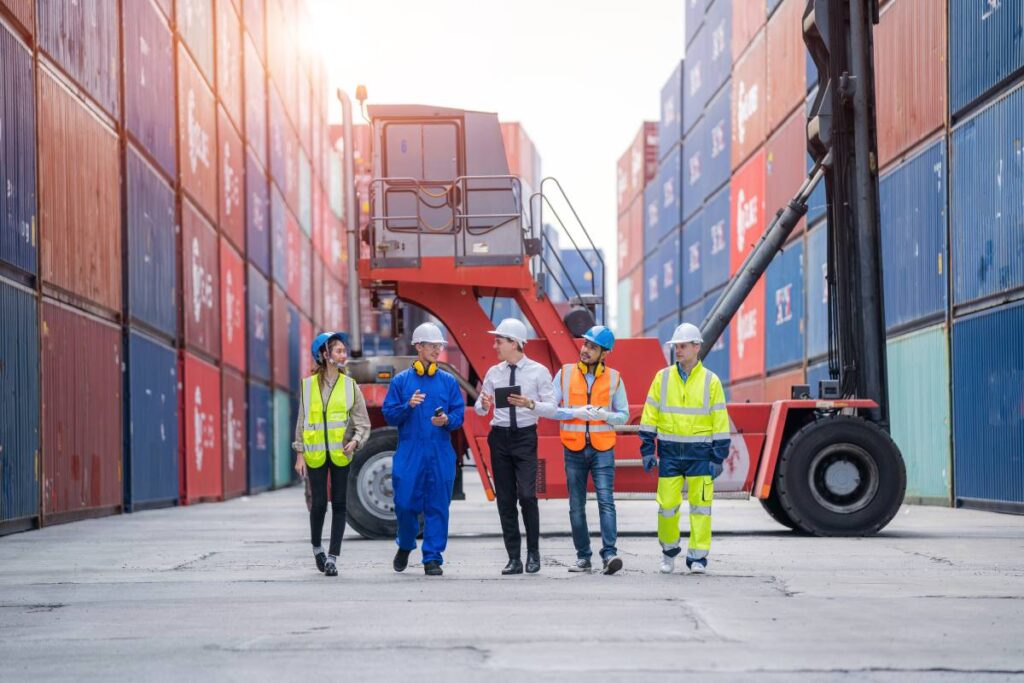
Logistics is the backbone of modern commerce. Whether you’re running a small online store or managing a global retail network, efficient logistics determine how quickly and cost-effectively goods reach customers. In today’s competitive market, businesses can’t afford delays, errors, or inefficient supply chains.
The global logistics market is massive, valued at nearly $9 trillion in 2023 and projected to exceed $15 trillion within the next decade. This growth reflects how essential logistics solutions are—not just for moving goods, but for ensuring customer satisfaction, controlling costs, and enabling business expansion.
From transportation and warehousing to inventory management and last-mile delivery, logistics covers a range of interconnected processes. The goal is simple: move products from their origin to the customer’s doorstep in the fastest, most cost-efficient, and reliable way possible.
What Are Logistics Solutions?
Logistics solutions encompass the strategies, processes, and technologies businesses use to manage the movement of goods across the supply chain. This includes:
-
Transportation – Choosing the most efficient and cost-effective modes of moving products.
-
Warehousing – Storing goods safely until they are needed for distribution.
-
Inventory management – Keeping stock levels optimal to meet demand without overstocking.
-
Order fulfilment – Picking, packing, and shipping orders accurately and on time.
-
Last-mile delivery – Ensuring final delivery to the customer is fast and reliable.
The effectiveness of each step directly impacts overall operational efficiency, customer satisfaction, and profitability.
Key Components of Logistics Solutions
1. Transportation
Transportation is the most complex and often the most expensive part of logistics management. Choosing the right mode—road, rail, sea, or air—affects both delivery time and costs.
Advanced route optimization tools help reduce transit times, cut fuel consumption, and improve reliability. Businesses that work with experienced providers, such as freight forwarders Darwin Transport, can benefit from tailored solutions that balance speed and cost.
2. Warehousing
A warehouse isn’t just a storage space—it’s a critical hub in the supply chain. Efficient warehouses ensure goods are received, checked, stored, and dispatched without delays.
Modern warehouses often use:
-
Warehouse Management Systems (WMS) to track stock in real time.
-
Automation and robotics to speed up picking and packing.
-
Optimised layouts to reduce handling times and improve workflow.
There are various types of warehouses, including public, private, and specialized fulfillment centers, each serving different business needs.
3. Inventory Management
Poor inventory control can result in overstocking, which ties up capital and increases storage costs, or stockouts, which frustrate customers and hurt sales.
Common strategies include:
-
Just-in-time (JIT) – Ordering stock only when needed.
-
First-in, first-out (FIFO) – Selling older stock first to prevent spoilage or obsolescence.
-
ABC analysis – Prioritising inventory based on value and demand.
Effective inventory management relies heavily on accurate forecasting, which is now increasingly powered by AI and data analytics.
4. Order Fulfilment
Order fulfilment involves processing customer orders from receipt to delivery. Steps include:
-
Receiving goods into the warehouse.
-
Inspecting and storing them.
-
Picking, packing, and labelling for shipment.
-
Handing over to a carrier for delivery.
-
Managing returns or exchanges efficiently.
Small businesses may handle this in-house, while larger operations often rely on third-party logistics (3PL) providers to handle higher volumes.
5. Last-Mile Delivery
This is the final stage of the logistics journey, where goods are delivered to the end customer. It’s also the most expensive and challenging part due to traffic delays, route inefficiencies, and the need for flexible delivery options.
Innovations like electric delivery vans, drones, and local distribution hubs are emerging to address last-mile challenges.
Benefits of Logistics Solutions for Businesses
-
Cost Efficiency – Technologies like WMS, Transport Management Systems (TMS), and AI-driven route optimisation reduce fuel use, labour costs, and wasted storage space.
-
Scalability – Logistics providers can scale operations as a business grows, eliminating the need for heavy upfront investment in facilities or equipment.
-
Faster Delivery – Advanced tracking and route planning improve delivery times, keeping customers happy.
-
Better Customer Service – On-time, accurate deliveries enhance brand reputation and customer loyalty.
Types of Logistics Solutions and When to Use Them
In-House Logistics
The business manages every aspect—warehousing, transportation, and inventory—internally.
Pros:
-
Full control over operations.
-
Customizable processes.
Cons:
-
High upfront investment.
-
Limited access to advanced technologies without significant cost.
Outsourced Logistics
A business contracts a third party to handle all or part of its logistics functions.
Pros:
-
Access to expertise and technology.
-
Lower infrastructure costs.
Cons:
-
Less direct control.
-
Potential communication challenges.
Third-Party Logistics (3PL)
3PL providers handle specific logistics functions such as warehousing, transport, or order fulfillment.
Ideal for businesses that want to focus on product development and marketing without building their own logistics network.
Fourth-Party Logistics (4PL)
A 4PL provider manages the entire supply chain, coordinating multiple service providers and overseeing every stage from procurement to delivery.
Best for large, complex operations needing a single point of control for all logistics activities.
Challenges in Logistics Management
-
Rising Costs – Increases in fuel prices, labour rates, and raw material costs can quickly impact profitability.
-
Supply Chain Disruptions – Weather events, strikes, or global crises can halt the movement of goods.
-
Demand Forecasting Errors – Inaccurate predictions lead to excess stock or shortages.
-
Regulatory Compliance – Navigating varied rules across regions is complex and time-consuming.
How Technology is Transforming Logistics
-
Automation – Robotics, automated sorting, and smart conveyors speed up operations and reduce errors.
-
Real-Time Tracking – GPS-enabled systems provide visibility for both customers and businesses.
-
Data Analytics – Predictive models forecast demand, optimise inventory, and identify inefficiencies.
-
Blockchain – Enhances transparency and security across the supply chain.
Choosing the Right Logistics Provider
Key factors to consider:
-
Service range (transportation, warehousing, inventory control).
-
Scalability to handle growth.
-
Use of modern technology.
-
Strong reputation and client references.
Red flags to avoid:
-
Poor communication.
-
Frequent delays.
-
Inability to scale operations.
Logistics in E-commerce and Retail
-
Meeting Customer Expectations – Customers expect fast delivery and simple returns.
-
Inventory Management – Real-time stock visibility prevents overselling or understocking.
-
Last-Mile Delivery – Critical to customer satisfaction; providers use route optimization to improve efficiency.
-
Omnichannel Logistics – Integrates online and offline sales channels to provide seamless service.
Impact on Supply Chain Management
Efficient logistics solutions play a crucial role in lowering transportation and warehousing costs while enhancing visibility throughout the supply chain. By optimising processes and ensuring that all components work seamlessly together, these solutions not only save money but also improve overall operational efficiency.
When logistics are well-integrated, they create a robust foundation for a resilient supply chain, enabling it to adapt and respond effectively to disruptions such as natural disasters, market fluctuations, or supply shortages. This adaptability is essential for maintaining customer satisfaction and meeting demand in an ever-changing marketplace.
Conclusion
In today’s fast-moving marketplace, logistics solutions aren’t just a business function—they’re a competitive advantage. From selecting the right transportation mode to mastering last-mile delivery, every step in the supply chain impacts customer satisfaction and profitability.
Businesses that invest in modern logistics strategies, embrace automation, and work with experienced providers such as freight forwarders Darwin Transport position themselves for long-term success. As technology advances and global commerce grows, the ability to deliver products quickly, cost-effectively, and reliably will remain the defining factor for business growth.