

Quick answer: Most solar installation problems come from workmanship, not faulty panels. The Clean Energy Regulator rated 18.7% of the systems it inspected in 2024 as substandard, with earthing, mounting, isolators, and cabling the usual causes. Solar still pays off in Australia. The installer you pick decides whether it does for you.
In this article
- The install looked fine from the driveway
- Problem one: the system quietly underproduced
- Problem two: the wiring and isolators I never saw
- Problem three: the panels were not what the brochure said
- Problem four: the warranty that evaporated
- The four faults behind most solar installation problems
- How to vet an installer before you sign
- The honest verdict
- Common questions about solar installation problems
I spent $12,000 on a 10kW system because I wanted lower bills and a job done once. The panels went up in a day, and the paperwork looked perfect when the installers drove away.
The problems took months to surface, and none of them was visible from the ground. This is what went wrong, what the national inspection data says causes most of it, and how I would check an installer before signing again.
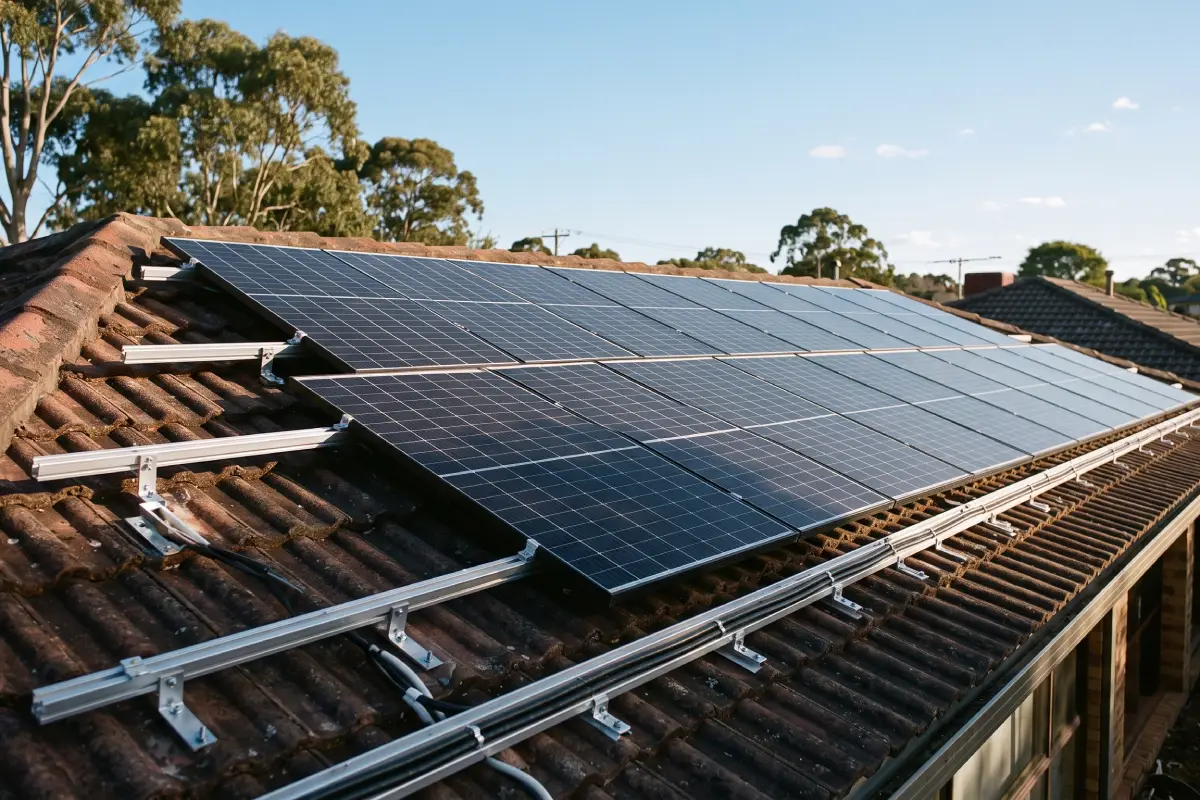

The install looked fine from the driveway
Cosmetic quality tells you nothing about electrical quality. My panels sat straight, the cabling looked tidy, and the app showed power flowing by dinner.
Two things hide from a homeowner on install day. The wiring inside the roof cavity and switchboard, and the real output the system should produce against what it actually delivers.
I signed off because I could judge neither. That signature is where most solar installation problems begin, not with faulty gear but with work nobody checks.
Problem one: the system quietly underproduced
A well-designed 10kW system should not sit below expectation for weeks. Mine did, and I only caught it by reading the monitoring closely.
The cause was a string layout that split panels across two roof pitches with different sun exposure, wired so the weaker side dragged the whole string down. It passed as installed. It underperformed as designed.
Underproduction rarely sets off alarms. The system still runs, the app still shows generation, and the loss only appears when you compare quarterly bills against the savings you were sold.
Problem two: the wiring and isolators I never saw
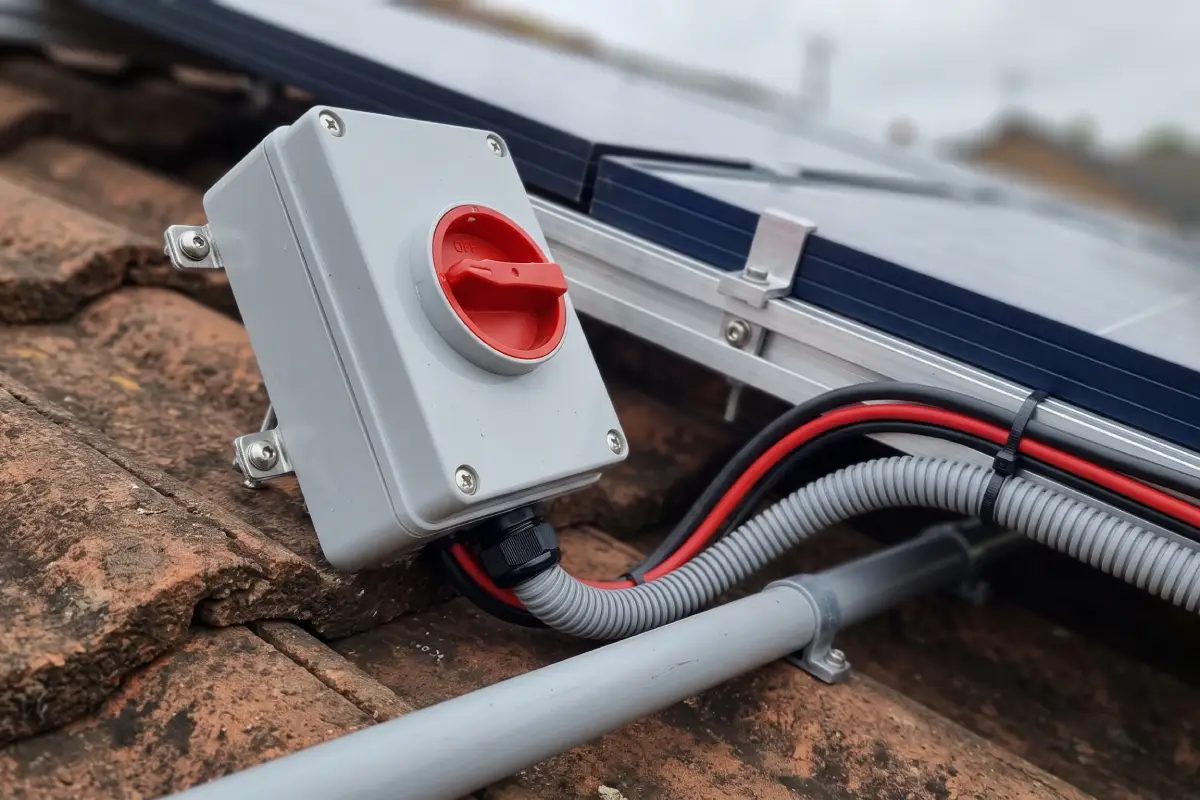
This is where solar installation problems stop being financial and turn dangerous. The Clean Energy Regulator’s annual inspections keep finding the same culprits.
The regulator’s recurring top faults: PV array earthing, panel mounting, DC isolators, and cabling.
You can read the regulator’s published inspection results for the full breakdown.
An independent electrician found a loose DC connection and an earthing fault on mine. both tied into the same breaker box that carries every other circuit in the house. Neither stopped the system running. Both are the kind of fault that can arc, corrode, or fail years later when nobody is watching.
Problem three: the panels were not what the brochure said
Panels can leave the factory already compromised. A brand name on the box does not guarantee the cell inside is intact.
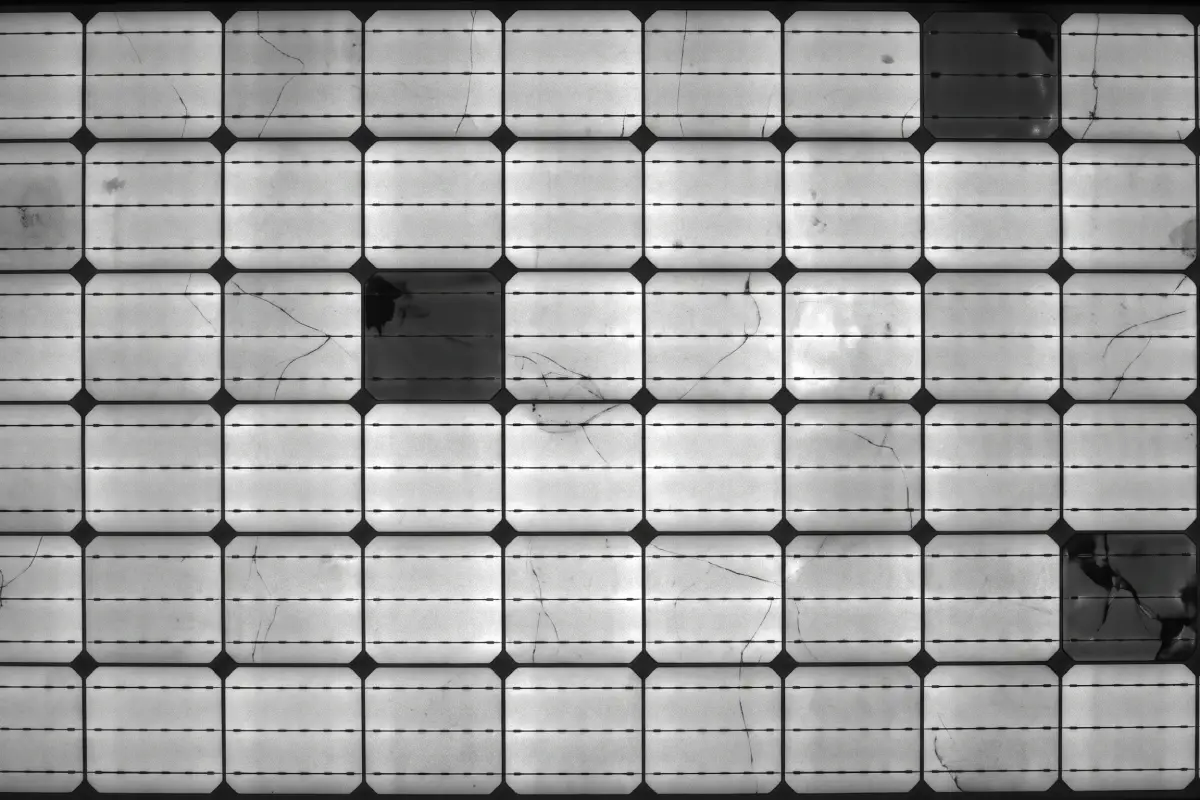
Around 10% of panels sampled in the regulator’s module testing program failed electroluminescence testing, often from microcracks, cold soldering, or transport damage.
A cracked cell does not announce itself. Output drops slightly, then keeps dropping as moisture works into the fault, and any warranty claim depends on the manufacturer still trading.
Two of my panels showed hairline cell cracks under an infrared scan. On paper they carried a 25-year warranty. In practice the brand had already left the Australian market.
Problem four: the warranty that evaporated
A solar warranty is only as solid as the company behind it. A 25-year promise means nothing if the business closes in year two.
Roughly 1 in 3 Australian solar systems may be unsupported because the installer or manufacturer has since closed. Treat this as an industry estimate, not a government figure.
The mechanism is real even if the exact number is not official. Cheap systems run on thin margins, and thin margins do not survive a downturn.
My installer folded fourteen months in. The panel brand was already gone. Two separate 25-year promises became worthless at once, and the repair bill landed on me.
The four faults behind most solar installation problems
Individual horror stories feel random, but the national data is not. The regulator’s inspections point to a short, repeating list of installation faults.
| Fault type | What it means | Why homeowners miss it |
| PV array earthing | The system is not correctly grounded against electrical fault | Invisible from ground level, only found on formal inspection |
| Panel mounting | Racking or roof fixings not installed to standard | Looks perfectly straight even when the fixings are wrong |
| DC isolators | Faulty or poorly wired rooftop or inverter isolators | Sealed units with no safe homeowner access |
| Cabling | Undersized, loose, or poorly secured DC and AC cable | Runs hidden inside the roof cavity and conduit |
The pattern matters. Almost none of these are panel failures. They are workmanship failures, which makes the installer you choose the single biggest variable in whether you land in the substandard column.
How to vet an installer before you sign
Every check below is free and takes minutes. Together they filter out the installers most likely to cause the problems above.
- Confirm current accreditation. Ask for the installer’s accreditation number and check it is active before you take any quote seriously. In Perth, Solar Installation Perth is one example of a locally accredited installer worth getting a quote from alongside others, so you have a baseline to compare.
- Check the approved product lists. Confirm the exact panel and inverter models sit on the Clean Energy Council approved lists, not just the brand.
- Check the trading history. Favour a business that has traded at least five years under the same name, so the warranty has something behind it.
- Get the design in writing. Ask for the string layout and expected seasonal output, so underproduction is measurable later.
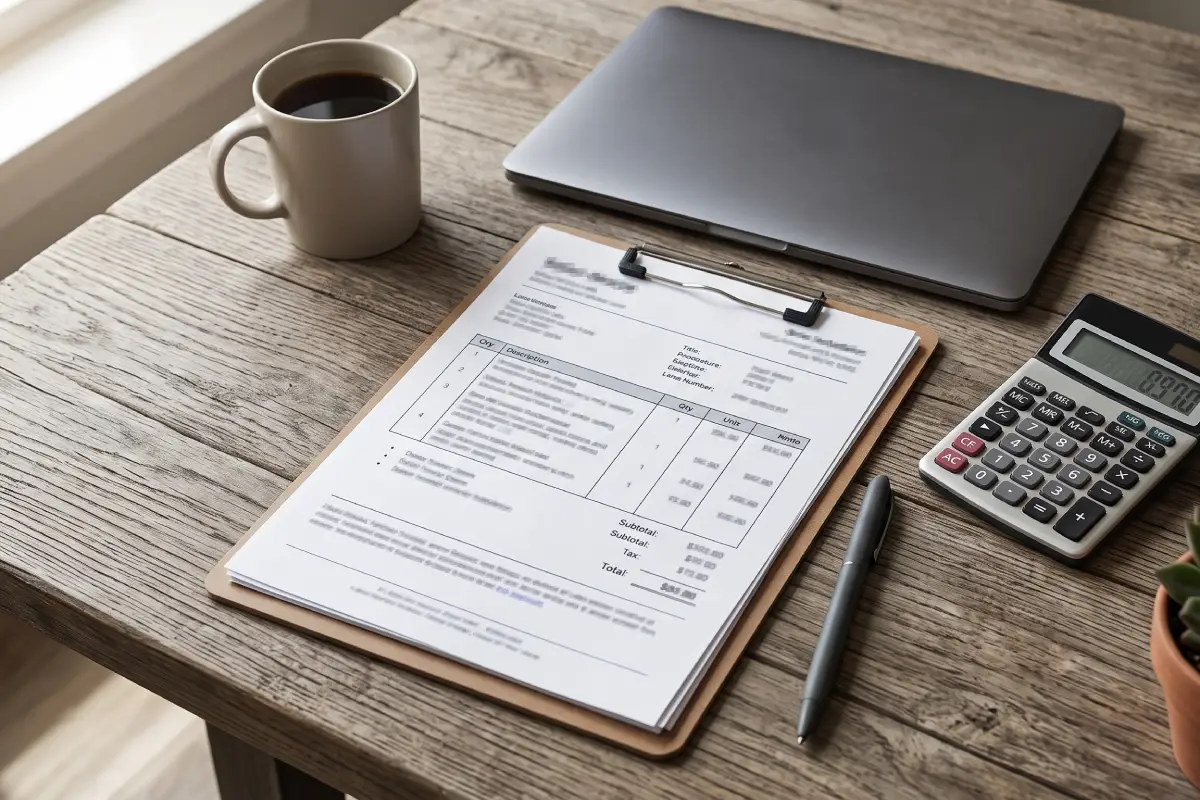
- Book an independent inspection before final payment. A signature after payment has no leverage. An inspection before it does.
The honest verdict
Solar in Australia still earns its place on most roofs. The savings are real, the rebates are real, and the technology is mature.
The risk is not the idea of solar. The risk is installation quality, and the data backs that up: workmanship faults, not panels, put nearly one in five inspected systems in the substandard column.
So the honest answer is that it depends. A good installer makes solar one of the best home investments available. A bad one hands you a decade of quiet problems and a warranty that may not outlive the paperwork. Choose the installer with the same care you choose the system.
Common questions about solar installation problems
What are the most common solar installation problems?
Workmanship faults, not panel faults. Clean Energy Regulator inspections consistently point to PV array earthing, panel mounting, DC isolators, and cabling as the leading causes of a substandard rating.
How do I know if my solar panels were installed badly?
The clearest early sign is underproduction. Compare your actual generation against the seasonal output your installer quoted, and book an independent inspection if the numbers fall short or the system trips.
Can a bad solar installation be dangerous?
Yes. Loose DC connections, poor earthing, and faulty isolators can arc or fail over time, which is why the regulator rates a small share of inspected systems unsafe rather than merely substandard.
What happens to my warranty if the installer goes out of business?
Workmanship warranties usually die with the installer, and panel or inverter warranties only hold while that manufacturer still trades in Australia. Choosing an established installer and a brand with a local presence protects both.
How can I avoid solar installation problems before I sign?
Verify accreditation, confirm the panel and inverter models are on the Clean Energy Council approved lists, favour an installer with a long trading history, and arrange an independent inspection before you make the final payment.