

Shutters look premium, feel solid, and are often marketed as a “forever” window solution.
But many homeowners only discover the downsides after installation when rooms feel darker, costs exceed expectations, or the shutters simply don’t suit how they live.
In this guide, I’ll walk you through the real downsides of shutters, based on practical use, not sales brochures, so you can decide if they’re truly right for your home.
The Biggest Downsides of Shutters (Quick Overview)
Before we go deep, here’s the high-level reality:
- Higher upfront cost than blinds or curtains
- Less control over light in certain layouts
- Permanent installation (less flexibility)
- Not suitable for all window shapes
- Maintenance varies by material
- Can feel bulky in small spaces
Now let’s break each one down properly.
1. High Upfront Cost: The Most Common Downside
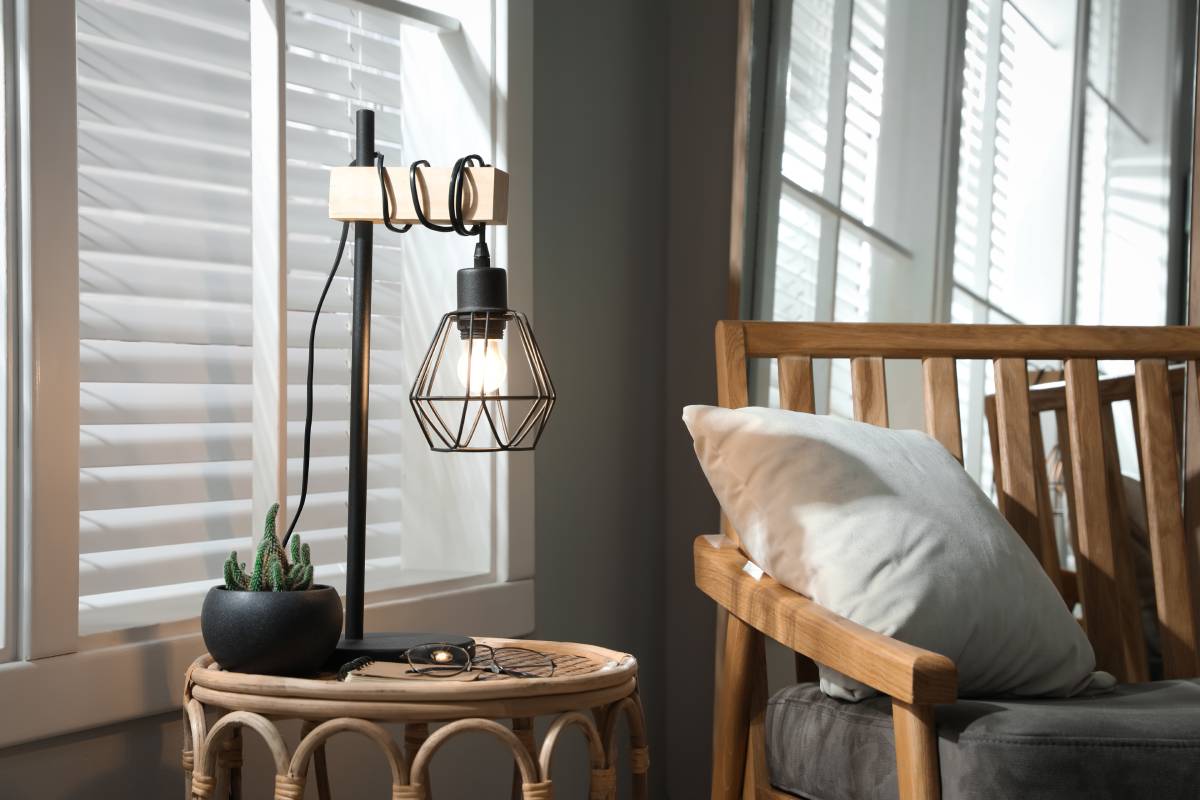

Shutters are one of the most expensive window furnishings on the market.
Why shutters cost more
- Custom-measured and built
- Professional installation required
- Premium materials (timber, PVC, composite)
Typical cost comparison (approximate)
| Window Covering | Cost Range (per window) |
| Roller blinds | Low |
| Curtains | Low–Medium |
| Venetian blinds | Medium |
| Plantation shutters | High |
Key downside:
If you’re renovating on a tight budget, shutters can quickly consume a disproportionate share of your spend.
Pro Insight
Many homeowners assume shutters add value automatically. In reality, ROI depends on buyer preferences, location, and quality, not just the presence of shutters.
2. Reduced Light & Flexibility Compared to Blinds
Shutters are solid structures. That’s both a strength and a weakness.
Common light-related complaints
- Frames block some glass area permanently
- Louvres don’t retract fully like blinds
- Rooms may feel darker, especially in winter
This is particularly noticeable in:
- Small rooms
- South-facing or shaded windows
- Apartments with limited natural light
If maximising daylight is a priority, shutters may frustrate you.
3. Not Ideal for Every Window or Room
One of the least-discussed downsides of shutters is compatibility.
Windows that can be problematic
- Very wide sliding doors
- Awkward angles or curves
- Windows behind furniture
- Tilt-and-turn windows
Rooms where shutters can feel impractical
- Kitchens (grease, moisture)
- Bathrooms (cheap materials warp)
- Children’s rooms (less flexibility)
Shutters are not a universal solution, even if showrooms suggest otherwise.
4. Maintenance & Long-Term Wear
Shutters are often marketed as “low maintenance,” but that’s only partly true.
Maintenance issues by material
Much of the long-term dissatisfaction homeowners experience comes down to the timber vs PVC shutters decision. Timber shutters offer a premium, natural look but are more sensitive to moisture, heat, and movement over time. PVC shutters, while more resistant to humidity and easier to maintain, can feel less refined and may discolour or become brittle in extreme conditions.
- Timber: Can warp, crack, or fade
- PVC: Can turn yellow or become brittle
- Composite: Better durability, higher cost
Dust also settles easily on louvres, meaning:
- Regular wiping
- More effort than roller blinds
Over 5–10 years, wear becomes visible, especially on cheaper installations.
5. Installation Is Permanent (and Less Forgiving)
Unlike blinds or curtains, shutters are:
- Fixed to frames or walls
- Difficult to reposition
- Costly to remove or replace
Why this matters
- Design trends change
- Your needs may change
- Mistakes are expensive to undo
If you like refreshing interiors often, shutters can feel restrictive.
Expert Insight
Shutter regret most often comes from rushing the decision—choosing style over daily usability.
6. Climate & Environmental Downsides
Your local climate plays a big role in whether shutters age well.
Potential climate-related issues
- Timber expands with humidity
- PVC can warp in extreme heat
- Salt air affects coastal installations
In hot or humid regions, poor material choice leads to:
- Sticking louvres
- Frame distortion
- Reduced lifespan
Material selection is critical—but often overlooked.
7. Do Shutters Always Add Resale Value?
This is one of the biggest myths.
The reality
- Some buyers love shutters
- Others prefer neutral or minimal coverings
- Outdated styles can hurt appeal
Shutters add value only when:
- They’re high quality
- Neutral in colour
- Suit the architecture
Otherwise, they’re simply a personal preference.
8. Shutters vs Blinds: Downsides Compared
| Factor | Shutters | Blinds |
| Cost | High | Low–Medium |
| Flexibility | Low | High |
| Light control | Moderate | Excellent |
| Installation | Permanent | Simple |
| Style longevity | Medium | Easy to update |
Bottom line:
Shutters trade flexibility for solidity and style.
9. When Shutters Are a Bad Idea (Be Honest)
Shutters may not be right if you:
- Rent or plan to move soon
Want maximum natural light - Have a tight renovation budget
- Prefer frequent interior changes
- Have awkward window shapes
Being honest about this builds trust and avoids regret.
10. Pro Tips to Avoid Shutter Regret
✔ Choose the right material for your climate
✔ Mock up light loss before installing
✔ Prioritise rooms (don’t shutter everything)
✔ Avoid trendy colours
✔ Work with experienced installers only
From experience working with homeowners and installers such as Perths Boutique Plantation Shutters, most shutter dissatisfaction doesn’t come from the product itself but from poor material selection, rushed measurements, or choosing a design that doesn’t suit how the space is actually used day to day.
Conclusion: Are Shutters Still Worth It?
Shutters are not bad, but they are not perfect.
They offer durability, structure, and a premium look, but the downsides, including cost, rigidity, light loss, and suitability, are real and should not be ignored.
If you understand the trade-offs, shutters can be a great long-term choice. If you don’t, they can become an expensive regret.
The smartest decision isn’t choosing shutters or blinds, it’s choosing what fits your lifestyle.