
How Often Should Brisbane Cafes and Restaurants Schedule Commercial Pest Control?
 Deep Hill Blog
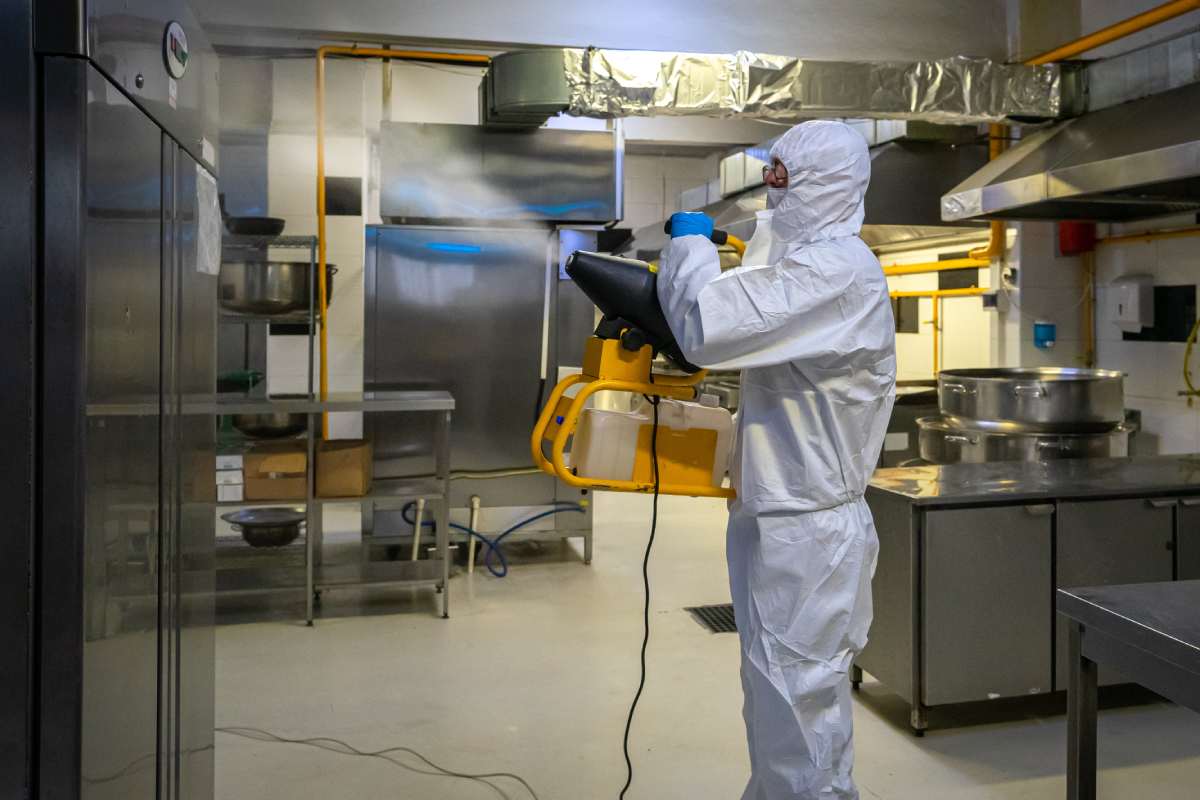
Running a successful cafe or restaurant in Brisbane requires more than serving great food and providing excellent customer service. Every food business also has a legal responsibility to maintain a safe, hygienic environment that protects customers, employees, and the business itself.
While many venue owners only think about pest control when they spot a cockroach or rodent, waiting until pests become visible is often too late. By that stage, an infestation may already be well established, increasing the risk of food contamination, health department action, poor customer reviews, and damage to the venue’s reputation.
One of the most common questions commercial pest professionals receive is:
“How often should our restaurant be treated?”
The answer isn’t the same for every venue. Pest management should be based on risk rather than a one-size-fits-all schedule. Factors such as the type of food served, the age of the building, operating hours, and even Brisbane’s weather all influence how frequently a commercial kitchen should be inspected.
Why Frequency Matters
Unlike residential properties, commercial kitchens operate almost continuously. Warm cooking equipment, moisture, grease, food waste, and frequent deliveries create an environment where pests can thrive year-round.
Many hospitality businesses are open seven days a week, meaning there is very little downtime for deep cleaning or maintenance. Even well-managed kitchens can unknowingly provide ideal conditions for pests if preventative inspections are not carried out regularly.
Routine pest control isn’t simply about eliminating insects and rodents. It helps businesses:
- Prevent infestations before they become established.
- Detect structural issues that allow pests inside.
- Meet Queensland food safety requirements.
- Maintain documentation for health inspections.
- Protect customer confidence and business reputation.
Preventative maintenance is almost always less expensive than dealing with an established infestation.
Brisbane’s Climate Makes Pest Control a Year-Round Requirement
Unlike cooler parts of Australia where pest activity slows during winter, Brisbane’s subtropical climate allows many pest species to remain active throughout the year.
Cockroaches continue breeding in warm commercial kitchens regardless of the season. Rodents simply move indoors whenever outdoor food sources become scarce, while flies become increasingly active during warmer months.
Seasonal weather also creates additional risks.
Heavy rainfall can drive rodents into buildings seeking shelter, while humid summers accelerate insect breeding cycles. Storms may even force pests through damaged drains or gaps around service penetrations.
For hospitality businesses, pest control should therefore be viewed as a continuous management program rather than a seasonal service.
Factors That Determine Service Frequency
No two restaurants have exactly the same level of pest risk.
Several operational factors influence how often professional inspections should be carried out.
Type of Food Business
Certain businesses naturally attract more pest activity than others.
| Business Type | Typical Pest Risk | Recommended Service |
|---|---|---|
| Cafes | Moderate | Every 2 months |
| Restaurants | High | Monthly |
| Fast Food Outlets | Very High | Monthly |
| Bakeries | Very High | Monthly |
| Bars & Pubs Serving Food | High | Monthly |
| Commercial Kitchens | High | Monthly |
Venues producing large volumes of food generally require more frequent monitoring because of increased food waste, moisture, and stock movement.
Operating Hours
Restaurants operating late into the evening often experience greater pest pressure.
Rodents and cockroaches are naturally nocturnal, making overnight hospitality venues particularly attractive. Kitchens that remain active until midnight or later also have less opportunity for cleaning and drying before pests become active.
Twenty-four-hour businesses usually require more intensive monitoring than venues operating only during daytime hours.
Building Age and Condition
Older commercial buildings often present additional pest challenges.
Common issues include:
- Cracked flooring
- Wall cavities
- Damaged drains
- Poorly sealed plumbing
- Uneven door thresholds
- Ceiling voids
These hidden spaces provide ideal nesting and harbourage for rodents and cockroaches.
Newer buildings generally have fewer structural vulnerabilities but still require ongoing inspections to identify developing maintenance issues.
Location Matters
Restaurants located in busy entertainment precincts or older commercial suburbs may experience higher pest pressure than businesses in newer developments.
High-risk neighbouring businesses include:
- Food markets
- Supermarkets
- Waste collection points
- Shopping centres
- Takeaway precincts
- Riverfront dining areas
Pests rarely respect property boundaries. An infestation next door can quickly spread to neighbouring premises.
What Happens During a Routine Commercial Service?
Many business owners imagine pest control simply involves spraying chemicals around the kitchen.
Modern Integrated Pest Management (IPM) is considerably more sophisticated.
A professional commercial service typically includes:
Thorough Inspection
Technicians inspect both obvious and hidden areas, including:
- Behind refrigeration equipment
- Ceiling voids
- Service ducts
- Electrical cupboards
- Drainage systems
- External bin storage
- Roof spaces
- Delivery entrances
Early signs of pest activity are often detected long before staff notice visible insects or rodents.
Monitoring Devices
Commercial premises commonly use:
- Sticky insect monitors
- Rodent bait stations
- Cockroach monitoring traps
- Insect light traps
These devices help identify developing activity without relying solely on customer or staff sightings.
Food-Safe Treatments
Rather than widespread spraying, modern hospitality pest management relies on targeted techniques such as:
- Precision gel baits
- Crack-and-crevice applications
- Dust treatments within inaccessible voids
- Exterior perimeter treatments
- Rodent baiting systems
These methods minimise disruption while remaining suitable for food handling environments.
Documentation
Every visit should generate detailed reports including:
- Areas inspected
- Pest activity identified
- Treatments applied
- Recommendations
- Future monitoring requirements
These records become valuable evidence during Queensland Health inspections.
Warning Signs That Your Schedule Isn’t Frequent Enough
If any of the following occur between routine services, inspection intervals may need to be shortened.
Increasing Cockroach Sightings
One cockroach during business hours often indicates many more are hiding nearby.
Cockroaches prefer darkness, so daytime sightings frequently suggest overcrowding within nesting areas.
Rodent Droppings
Fresh droppings should never be ignored.
Rodents reproduce quickly, meaning even a small population can become a major infestation within weeks.
Customer Complaints
Any customer reporting pests should trigger immediate investigation.
Even if the complaint appears isolated, prompt action demonstrates responsible management.
Fly Activity
Persistent flies around food preparation areas may indicate:
- Drain problems
- Organic build-up
- Waste management issues
- Nearby breeding sites
The underlying cause should always be identified rather than simply treating the symptom.
Staff Play an Important Role
Professional pest management works best when supported by good staff practices.
Restaurant employees should be trained to:
- Report pest sightings immediately.
- Clean food spills promptly.
- Rotate stock correctly.
- Empty rubbish regularly.
- Keep storage areas organised.
- Avoid leaving doors open unnecessarily.
- Report maintenance issues such as leaking pipes or damaged seals.
Small daily habits significantly reduce the likelihood of infestations.
Preventative Pest Control Costs Less Than Reactive Treatments
Some businesses attempt to reduce costs by cancelling routine services and only calling a technician when pests become visible.
Unfortunately, this approach often proves far more expensive.
Reactive pest control may involve:
- Multiple treatment visits
- Temporary kitchen closures
- Food disposal
- Deep cleaning
- Lost revenue
- Negative online reviews
- Council enforcement action
By comparison, routine inspections identify problems while they remain small, inexpensive, and easier to resolve.
For most hospitality businesses, preventative servicing represents one of the most cost-effective investments in food safety.
Choosing the Right Commercial Pest Management Partner
Commercial food businesses require far more than basic residential pest control.
When selecting a provider, restaurant owners should look for:
- Licensed commercial pest technicians.
- Experience with hospitality venues.
- Food-safe treatment methods.
- Detailed digital reporting.
- Compliance documentation.
- Flexible scheduling outside trading hours.
- Preventative advice rather than simply reactive treatments.
Consistency Protects Your Business
There is no universal schedule that suits every cafe or restaurant, but one principle always applies: consistency is critical.
Regular inspections allow problems to be identified long before customers notice them or health inspectors record them.
For most Brisbane restaurants, monthly commercial pest management provides the level of monitoring needed to stay ahead of seasonal pest activity, maintain accurate compliance records, and protect valuable Eat Safe Brisbane ratings.
Rather than viewing pest control as an occasional expense, successful hospitality businesses treat it as an ongoing part of their food safety management system. That proactive approach not only keeps pests under control but also protects the reputation, profitability, and long-term success of the business.
